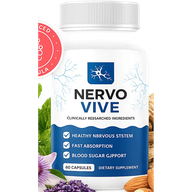
Rule 1: separate product evidence from ingredient evidence
A product can contain a studied ingredient without the finished formula being clinically proven. Ask whether the exact product, exact dose and intended outcome were studied.
Rule 2: read the Supplement Facts—not the hero headline
Exact ingredient amounts, standardized extracts, serving size and other ingredients matter more than phrases such as “clinically researched ingredients.” A phrase can be technically true while still overstating what the finished product can do.
Rule 3: decode FDA language correctly
FDA does not pre-approve dietary supplements for safety/effectiveness and does not approve facilities. Registration, inspection or cGMP compliance are different concepts. A trustworthy review should use those terms precisely.
Rule 4: treat guarantees as logistics, not efficacy evidence
A long guarantee can reduce purchase risk, but it does not prove the supplement works. Read return-postage, bottle-return, timing and processing requirements.
Rule 5: beware diagnosis-by-marketing
Numbness, tingling and burning can have multiple causes. A product sales page cannot diagnose yours. If symptoms are new, worsening or associated with weakness, wounds or balance changes, seek medical evaluation.
How to read a supplement study without being fooled
| Question | Why ask it |
|---|---|
| Was it done in humans? | Animal/cell work is earlier-stage evidence. |
| Was the exact ingredient form used? | Extracts and chemical forms differ. |
| Was the dose comparable? | A studied dose may not fit inside the product serving. |
| Was the outcome the same as the ad claim? | Sleep research does not prove nerve regeneration. |
| Was there a placebo/control group? | Without control, natural variation can look like treatment effect. |
| Who funded the study? | Funding does not invalidate data but helps assess conflicts. |
| Was it replicated? | One small study is less reliable than consistent evidence. |
Claims and label patterns that deserve extra scrutiny
- “Proprietary blend” with no individual ingredient amounts when efficacy depends on dose.
- Disease-treatment claims on a product sold as a dietary supplement.
- “FDA approved” supplement or facility wording.
- “Zero side effects” or “safe for everyone.”
- Guaranteed results or exact percentage success without a transparent dataset.
- Before/after medical outcomes with no verifiable source.
- Urgency that discourages you from reading refund or safety terms.
Why a high-ranking page is not automatically a high-quality health page
Search ranking is influenced by many factors and does not certify medical accuracy. Affiliate sites can rank because they match a keyword well, have links or publish a large topical cluster. You still need to inspect sources, disclosures, author identity and whether claims are appropriately qualified.
This site is deliberately optimized for search intent while keeping those quality controls visible. SEO and evidence do not have to be opposites.