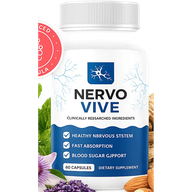
Vitamin B12 is important for neurological function
B12 supports normal blood-cell formation and neurological function. Deficiency can produce neurological changes, including numbness and tingling. Risk depends on intake, absorption, gastrointestinal conditions, medications and other factors.
Deficiency should be identified, not assumed
Neurological symptoms are not specific to B12 deficiency. Clinical evaluation and appropriate laboratory testing can help determine whether B12 status is relevant. Treating a documented deficiency is different from using a multi-herb supplement marketed for general nerve support.
Do not assume NervoVive contains B12 unless the current label says so
The official NervoVive text presentation we used for the site build lists five botanicals. Some third-party pages and promotional images online show other ingredients. The physical Supplement Facts panel should be the final authority. See our NervoVive ingredients page for the discrepancy check.
Sources used for this research page
NIH ODS: Vitamin B12 Fact Sheet
NIH Office of Dietary Supplements reference on B12 function, deficiency and safety.
NINDS: Peripheral Neuropathy
Includes vitamin B12 deficiency among recognized vitamin-related neuropathy causes.